About WEDGE Africa

We exist because women's ambition deserves a fair system.

Women already sustain Ghana's food systems, households and local economies. WEDGE Africa works to remove the structural barriers that limit their access to business knowledge, digital tools, climate-smart practices and fair markets.

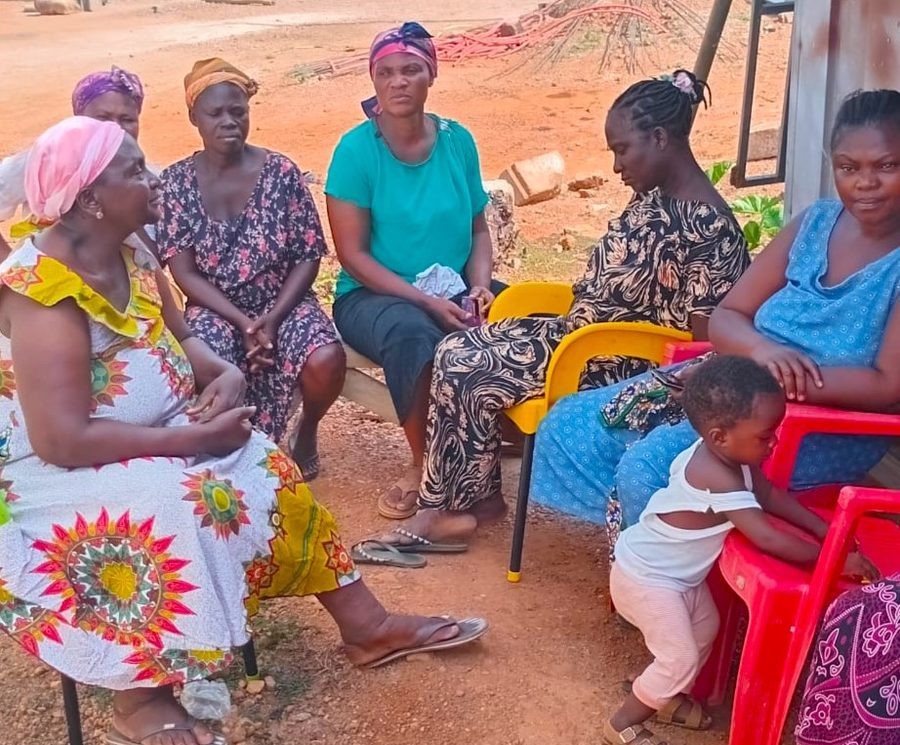
WEDGE Africa women community session

"Women's leadership in Africa's green and digital economy starts with access, agency and opportunity."

40
Women in the GROW Programme pilot
2
Communities in Ashanti Region
80%
Female board composition
1,000+
Women targeted by 2030
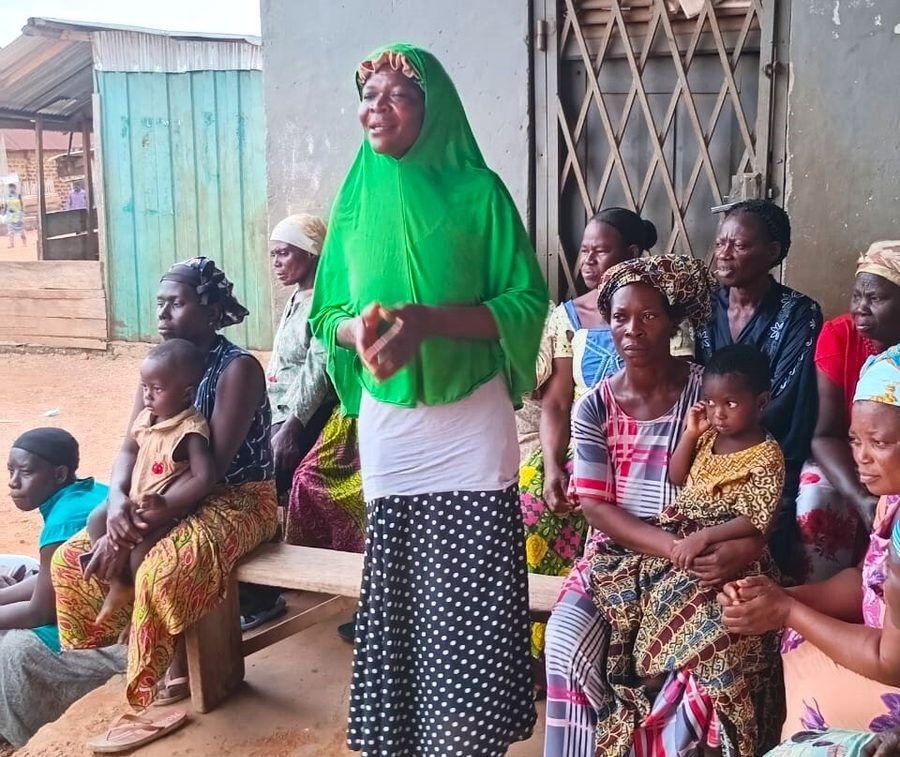
WEDGE Africa Deikrom cluster discussion
Our Story

Built to remove structural barriers.

WEDGE Africa — Women Empowerment for Digital and Green Economy in Africa — is a Ghanaian organisation advancing women's economic empowerment at the intersection of climate-smart livelihoods, digital inclusion, enterprise development and fair market access.

We were built on a simple conviction: the barriers limiting women in Ghana's agricultural economy are structural, not personal. Women do not lack ambition or capability. They are too often excluded from the business knowledge, digital tools, climate-smart support, market information and fair economic opportunities needed to grow resilient enterprises.

Our approach is grounded in evidence. Each programme begins with baseline assessment, is monitored through structured field engagement and concludes with endline and follow-up measurement. We do not assume impact — we document it, learn from it and use the findings to improve future delivery.

See Our Work
Our Vision

An Africa where women shape and benefit from the green and digitally enabled economy — as producers, entrepreneurs, innovators and decision-makers.

Our Mission

To equip women with green skills, digital tools, enterprise knowledge and fair market access for profitable and resilient livelihoods.

The Challenge

Three barriers. One integrated response.

Women in Ghana's agricultural sector face interconnected economic, digital and climate-related barriers that no single intervention can solve. WEDGE Africa addresses them through an integrated enterprise-development approach.

Economic Exclusion

Many women smallholder farmers have limited pricing power, market visibility and financial leverage. Without reliable cost records, market information and buyer networks, they are often forced to accept unfavourable terms.

Green Economy Exclusion

Women manage climate and production risks every day, yet many remain excluded from practical climate-smart advisory services, resilience finance and green market opportunities that could protect their income and strengthen their enterprises.

Digital Exclusion

Unequal access to digital devices, recordkeeping tools, mobile payments and market information limits women's visibility, decision-making and access to buyers and financial services.

What We Stand For

Our Values

Six principles that guide every programme, every partnership and every decision we make.

Women-First

Women's dignity, agency and opportunity are non-negotiable. Women are not passive beneficiaries — they are entrepreneurs, decision-makers and partners in programme design.

Climate-Smart

We promote practical, climate-smart practices that strengthen resilience, protect natural resources and improve enterprise performance.

Digitally Inclusive

We design for real-world constraints — low bandwidth, varied literacy, feature phones — so tools actually reach those who need them.

Evidence-Led

Every programme is designed with clear indicators, baseline evidence and structured learning so we can adapt, improve and demonstrate credible results.

Transparent

We communicate our results openly, share what we are learning and make key evidence accessible to partners, participants and the public.

Mission-Aligned Growth

We scale only what works, partner with organisations that share our values and never compromise impact for speed.

The People Behind the Work

Our Team

A multidisciplinary team combining experience in Ghanaian agriculture, food systems, programme management, evidence and community-based delivery.

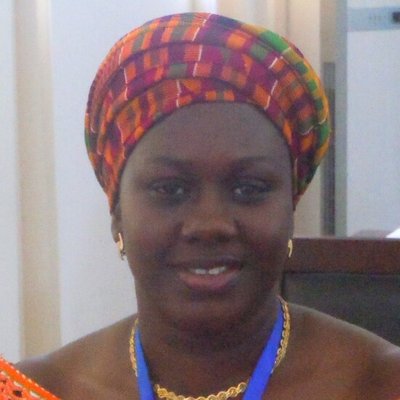
Elizabeth Appiyah
Elizabeth Appiyah
Executive Director

Agriculturalist and food scientist with over 20 years across food systems, gender and rural livelihoods in Ghana. Leads organisational strategy, partnerships and resource mobilisation.

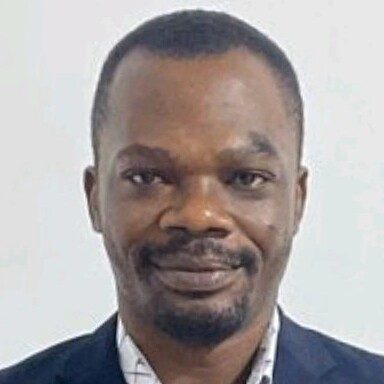
Kwabena A. Okese
Kwabena A. Okese
Programme Lead

PMP-certified development specialist with 16 years of experience in programme design and results management. Leads programme design, evidence systems and organisational learning, drawing on previous experience with UNDP Ghana.

Solomon Asetena
Solomon Asetena
Field Coordinator

Agricultural extension specialist with 12 years of rural programme delivery. Translates technical knowledge into practical field learning for GROW participants.

Evans O. Mensah
Evans O. Mensah
Field Coordinator

Smallholder agriculture practitioner with 12 years of direct field experience. Leads farmer engagement, group formation and accompaniment quality within GROW.

Board Governance

Led by women. Accountable to communities.

WEDGE Africa is governed through a women-centred accountability structure designed to protect its mission, strengthen oversight and remain responsive to the communities it serves. Women currently represent 80% of the Board.

Board members bring expertise across agriculture, finance, development practice, law and community leadership. They provide strategic oversight, protect our values and keep WEDGE Africa accountable to its mission.

We are committed to transparent governance. Key governance documents, financial information and board policies are made available to partners and donors as appropriate.

80%
Female board composition
5+
Sectors represented on the board
Quarterly
Board oversight and performance review
Annual
Conflict-of-interest declarations and governance review
Get Involved

Partner with WEDGE Africa

Whether you are a funder, development organisation, research institution, government agency or responsible business, you can help strengthen evidence-led pathways for women's economic empowerment in Ghana.